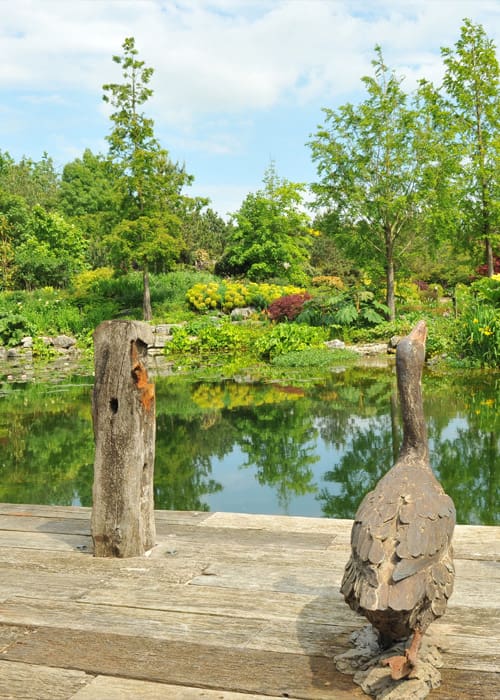
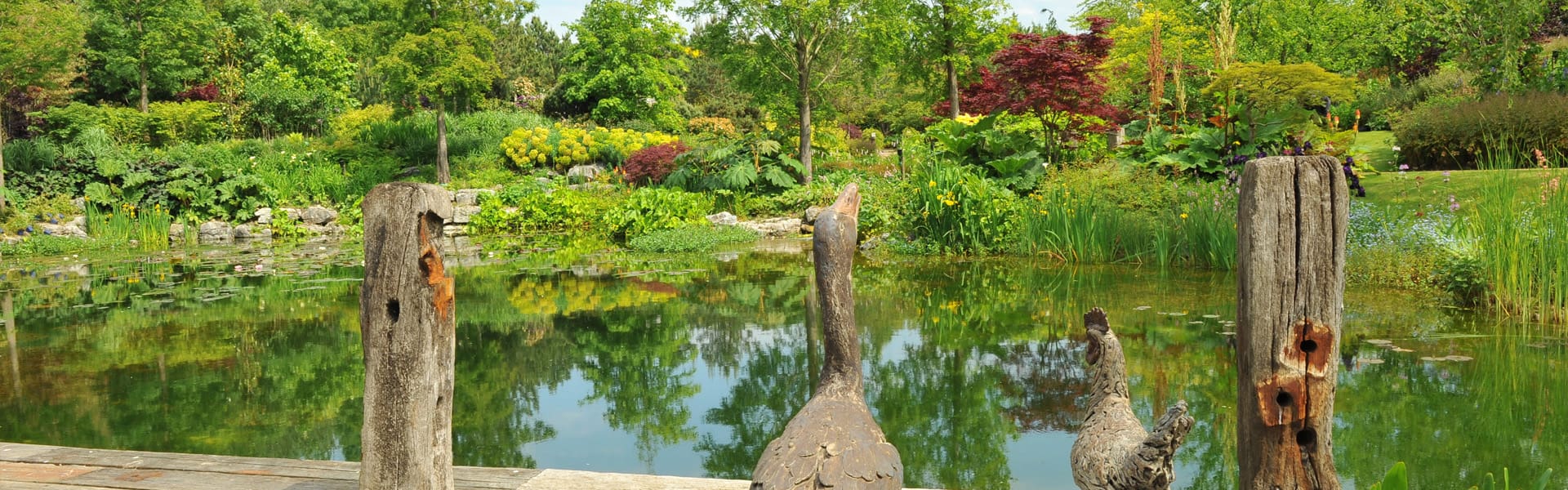
Discover how to incorporate water into a UK garden design, from natural ponds and wildlife pools to formal water features and natural swimming pools.
Water can be one of the most effective elements in a garden design, adding movement, sound, reflection and wildlife while creating a stronger connection between the garden and the surrounding landscape.
From natural ponds and wildlife pools to formal water features and natural swimming pools, water can be incorporated into gardens of almost any size. The key is to consider it as part of the overall design rather than adding it as an isolated feature.
Water brings qualities to a garden that are difficult to achieve with planting and hard landscaping alone. The movement and sound of water can create a sense of calm, while reflective surfaces can introduce light and make parts of a garden appear more spacious.
A well-designed water feature can also provide a focal point, frame a particular view or help connect different areas of the garden.
For wildlife-focused gardens, water provides an additional habitat for insects, amphibians and birds.
Water Features
The type of water feature you choose should reflect the style, scale and purpose of the garden.
Natural Ponds
Natural ponds work particularly well in informal gardens and larger landscapes. They can be planted with native and wildlife-friendly species, creating a habitat that changes throughout the seasons. A natural pond can also be integrated into existing planting rather than appearing as a separate feature.
Wildlife Ponds
A wildlife pond is designed primarily to support biodiversity. Even a relatively small pond can introduce water into a garden and provide habitat for frogs, newts, insects and other wildlife. Shallow margins, aquatic planting and areas of shelter can all contribute to a wildlife-friendly design.
Formal Water Features
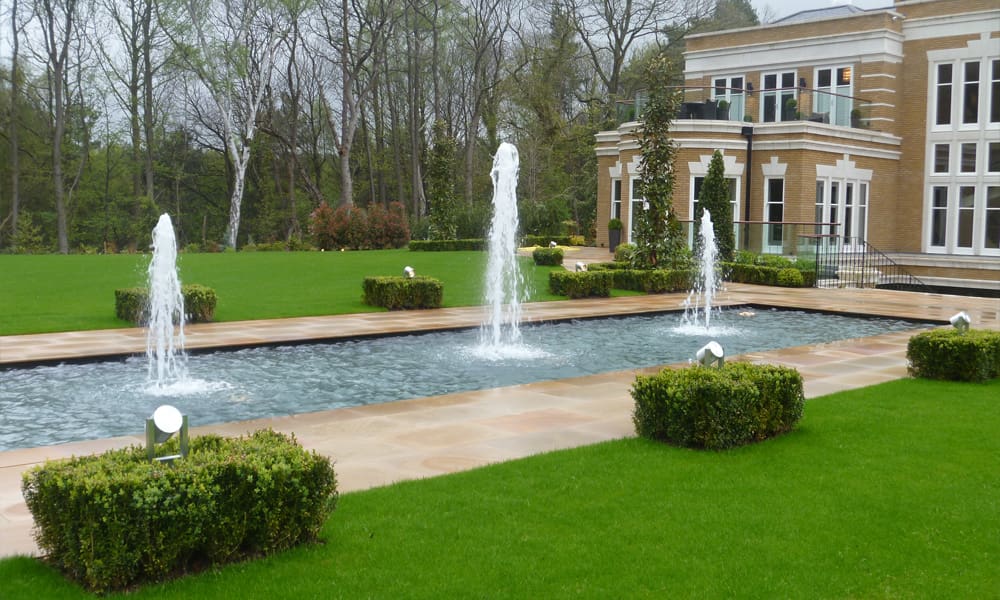
Formal ponds and water features can provide a strong architectural element within a garden. Geometric shapes, clean lines and carefully positioned planting can complement contemporary or traditional garden designs. Water can also be used alongside paving, stone, walls and planting to create a structured focal point.
Natural Swimming Pools
For larger gardens, a natural swimming pool can combine recreation, planting and landscape design. Unlike a conventional swimming pool, a natural swimming pool can be designed as part of the surrounding garden, creating a more organic relationship between the water and planting.
Where you position water within a garden can have a significant impact on the finished design.
Consider how the feature will look from:
A pond does not necessarily need to be placed at the centre of a garden. Positioning it towards the edge can create a sense of discovery, while a carefully framed view from inside the house can make water a feature that can be enjoyed throughout the year.
Water naturally attracts attention, making it an effective focal point.
A pond, pool or water feature can form the centre of a particular garden area, with paths and planting directing views towards it.
In a larger garden, several smaller water elements can also be used to create a journey through the landscape rather than relying on one dominant feature.
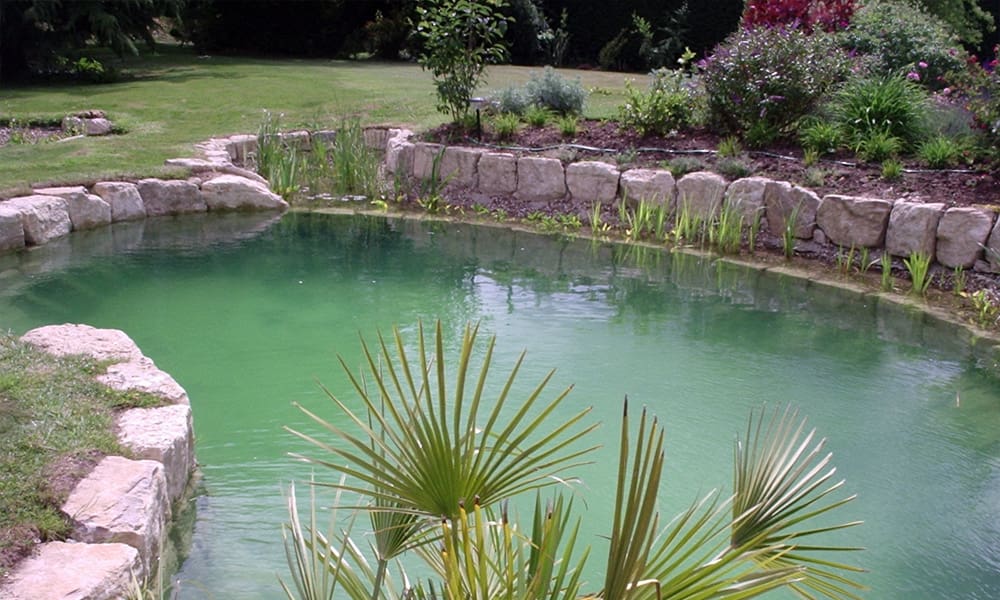
Planting is an important part of incorporating water into a garden design.
Marginal and aquatic plants can soften the edges of a pond, while surrounding trees, shrubs and perennials can help integrate the water feature into the wider landscape.
For a natural or wildlife pond, UK plants such as marsh marigold, water mint, yellow flag iris and purple loosestrife can provide seasonal interest and valuable habitat.
In a more formal garden, planting can be kept more structured, using carefully positioned shrubs, grasses or perennial borders to complement the geometry of the water.
Still water can provide another dimension to a garden through reflection.
Trees, planting, buildings and the sky can all be reflected on the surface of a pond, creating changing views throughout the day and across the seasons.
Consider what will be reflected in the water when deciding where to position a pond. A carefully placed feature can reflect an attractive tree, architectural feature or area of planting.
Moving water introduces sound and movement, creating a different atmosphere from a still pond.
A cascade, rill, fountain or small waterfall can add gentle background sound while helping connect different levels within a garden.
The sound of moving water can also help mask unwanted background noise, which can be particularly useful in urban gardens.
If wildlife is important to you, the design should include suitable habitats from the beginning.
Shallow areas can provide access for wildlife, while marginal planting offers shelter and breeding habitat. Avoiding excessive disturbance and allowing some areas of the pond to develop naturally can also encourage biodiversity.
A wildlife-friendly water feature should be considered alongside the rest of the garden, with planting and habitat areas creating a connected environment.
Water works particularly well when combined with natural materials.
Stone, timber, brick and paving can all be used to frame a pond or water feature. The choice of materials should complement the architecture of the property and the wider garden.
Natural stone can help a pond blend into an informal landscape, while crisp paving and architectural materials can reinforce a contemporary design.
The most successful water features are usually those that have been considered from the beginning of the garden design.
Rather than deciding where to put a pond after the rest of the garden has been planned, consider how water could influence the layout of paths, planting, terraces, seating areas and views.
This creates a more cohesive garden where the water feels like an integral part of the landscape.
Contact Fairwater to discuss your ideas and explore the possibilities for your outdoor space.