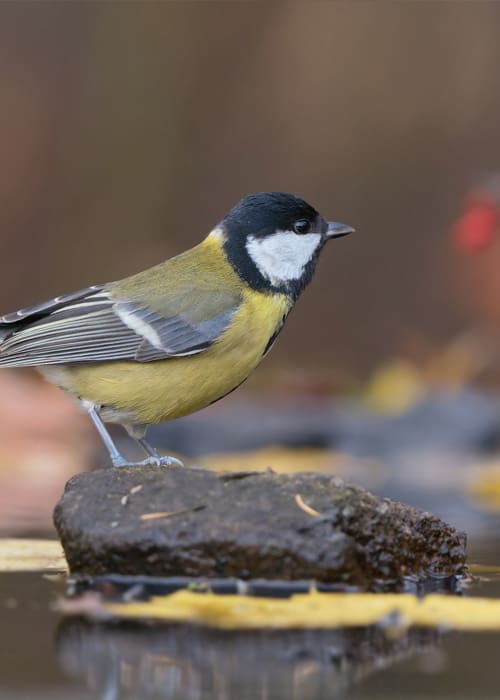
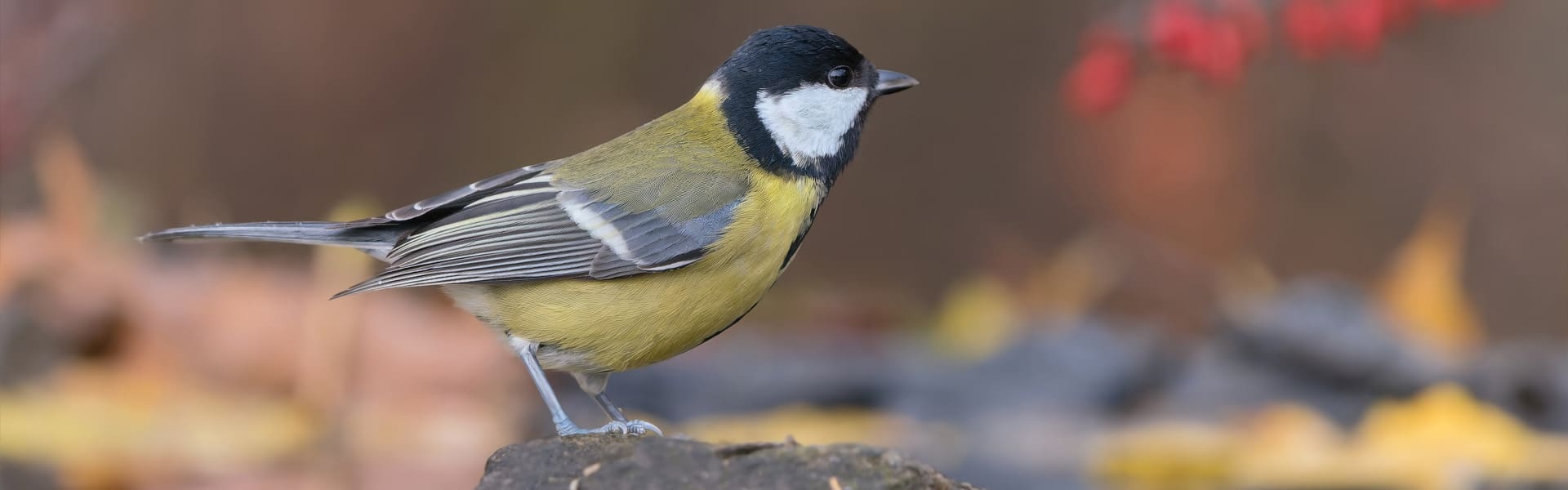
Whether you have a large country garden or a smaller urban space, introducing water can help encourage wildlife and bring greater biodiversity into the landscape.
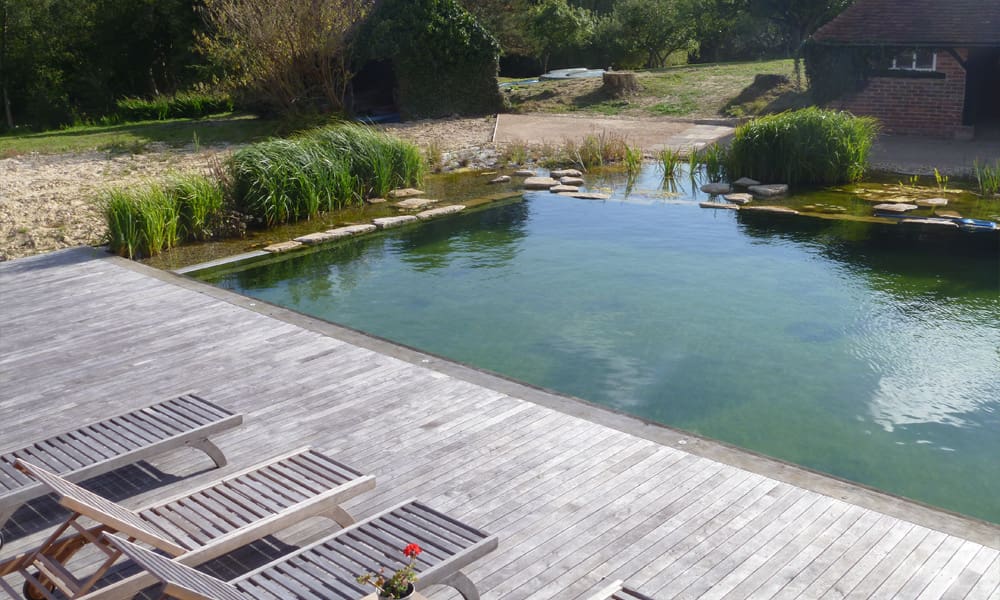
A wildlife pond is one of the most effective ways to introduce water and biodiversity into a garden. Even a relatively small pond can provide valuable habitat for frogs, newts, dragonflies and aquatic insects.
Planting native marginal and aquatic plants around the pond creates shelter and provides food for wildlife. Shallow edges are particularly useful, allowing insects and amphibians to enter and leave the water safely.
Natural swimming ponds combine recreational use with wildlife-friendly planting and natural filtration. Rather than relying solely on conventional swimming-pool technology, they can incorporate planted regeneration areas that create a more natural environment.
With thoughtful design, a natural swimming pond can become an important feature within the wider garden landscape while providing opportunities for wildlife to visit and shelter.
Garden water feature design
Water can transform a garden into a more attractive and wildlife-friendly environment. From natural swimming ponds and wildlife ponds to smaller water features, adding a reliable source of water can encourage birds, insects, amphibians and other garden wildlife.
The best wildlife water features feel like a natural part of the garden. Careful consideration of planting, water movement, access and surrounding habitat can create a feature that is both beautiful and beneficial to wildlife.
When planning a water feature, consider:
Providing shallow areas and gently sloping edges.
Using suitable native or wildlife-friendly plants.
Creating sheltered areas around the water.
Avoiding excessive lighting at night.
Providing stones, logs or planting for insects and amphibians.
Keeping water topped up during prolonged dry periods.
Connecting the water feature visually with the surrounding landscape.
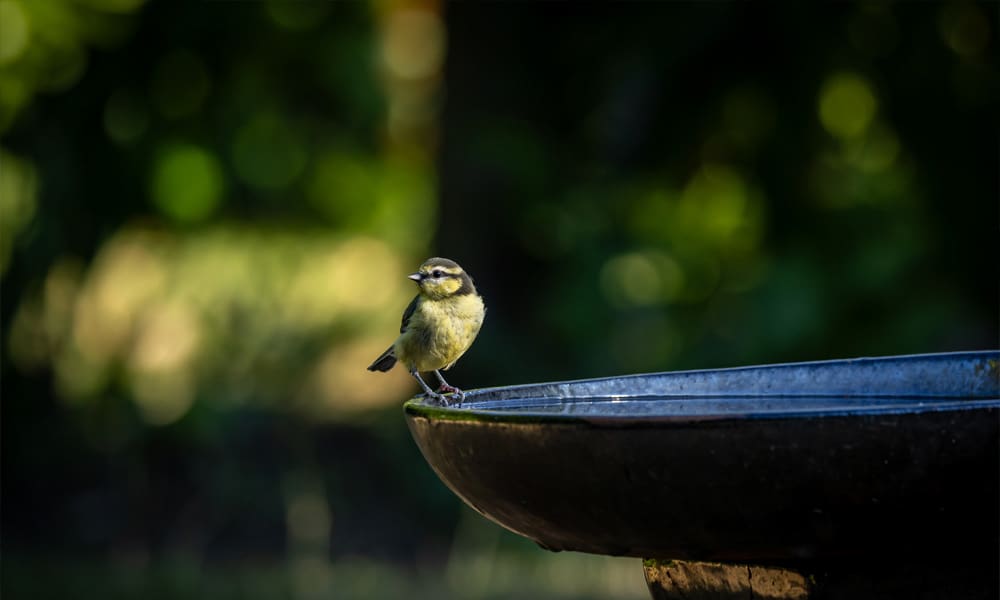
Birds are naturally attracted to accessible sources of fresh water for drinking and bathing. A shallow basin, pond edge or gently running water feature can provide an attractive drinking and bathing area.
Positioning water where birds have a clear view of their surroundings can help them feel safer. Avoid making the water too deep, particularly around the edges, and keep it topped up during dry weather.
The planting surrounding a water feature can be just as important as the water itself. Native plants, grasses, shrubs and marginal planting provide food, shelter and nesting opportunities for different species.
A mixture of planting heights can create a more natural transition between the pond and the rest of the garden. Leaving some areas slightly less manicured can also provide valuable habitat for insects and amphibians.
Water does not always need to be still. Streams, rills, cascades and gently flowing water can add movement and sound to a garden while creating additional interest for wildlife.
A well-designed water feature can combine practical water management with attractive landscaping, making it an integral part of the garden rather than an isolated feature.
Whether you are considering a wildlife pond, formal water feature, natural swimming pond or landscaped rill, professional design can help integrate water successfully into the garden.
Fairwater designs and creates bespoke water features, natural swimming ponds and wildlife-friendly water landscapes, combining water, planting and hard landscaping to create distinctive garden environments.
Contact Fairwater to discuss your ideas and explore the possibilities for your outdoor space.