Discover the best plants for a natural pond in the UK, including native marginal, aquatic and moisture-loving plants for wildlife-friendly pond design.
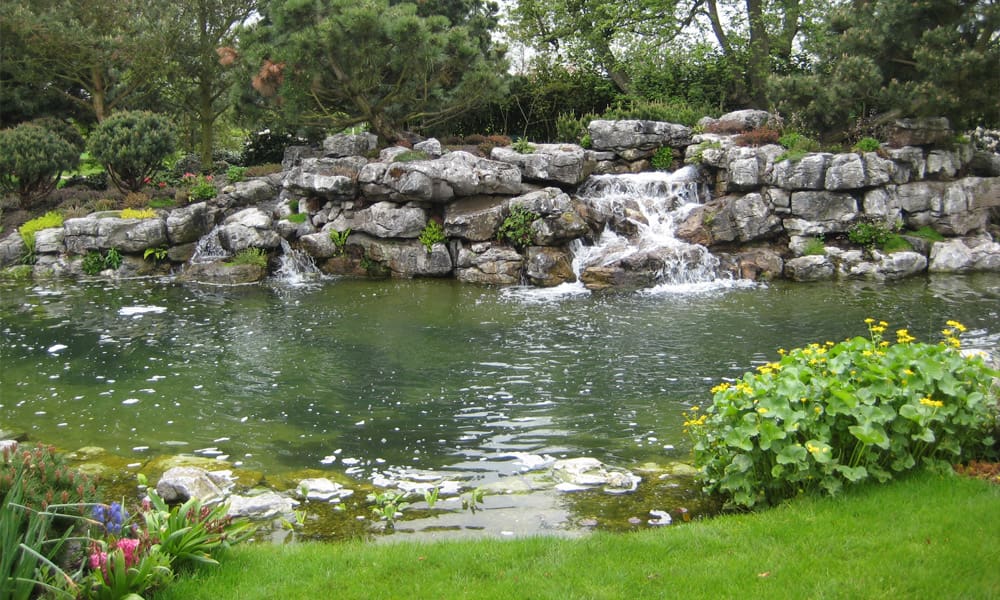
A natural pond can transform a garden, creating a beautiful focal point while providing valuable habitat for wildlife. From water mint and marsh marigold to native aquatic plants, the right planting can help a pond blend naturally into its surroundings and support insects, amphibians and birds.
Choosing plants for a natural pond is about more than appearance. Different plants thrive at different depths and conditions, so combining submerged, floating, marginal and moisture-loving plants can create a diverse and balanced environment.
Plants are an important part of a healthy pond ecosystem. They provide shelter and breeding habitats for wildlife, soften the edges of a pond and help connect the water feature with the surrounding garden.
Aquatic plants can also provide shade and compete with algae for nutrients. However, a natural pond should not be completely covered with vegetation. Maintaining areas of open water is important for both wildlife and visual balance.
Plants Suitable for Ponds
Marginal plants grow in shallow water or damp ground around the edge of a pond. They are particularly effective for creating a natural transition between the water and surrounding planting.
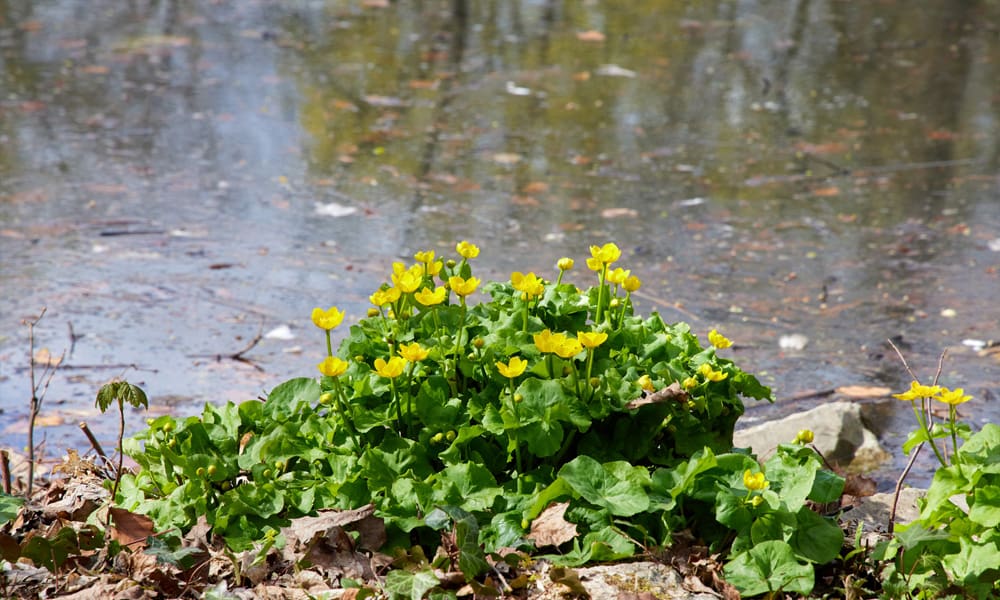
Marsh Marigold
Marsh marigold (Caltha palustris) is a popular native British pond plant. Its bright yellow flowers appear in spring, providing early-season colour around the pond edge. It prefers damp or wet conditions and is particularly well suited to wildlife ponds.
Water Mint
Water mint (Mentha aquatica) is a native UK plant that thrives in damp ground and shallow water. It produces clusters of pinkish-purple flowers and is attractive to bees, butterflies and other pollinating insects. Its aromatic foliage also makes it an appealing addition to a natural pond planting scheme.
Yellow Flag Iris
Yellow flag iris (Iris pseudacorus) is a familiar sight around ponds, lakes and wetlands throughout Britain. Its tall leaves and bright yellow flowers create strong vertical interest. It is best suited to larger ponds where it has enough space to develop.
Purple Loosestrife
Purple loosestrife (Lythrum salicaria) produces tall spikes of pink-purple flowers during the summer months. It is well suited to damp areas around ponds and provides a valuable nectar source for insects. Its height also helps create a layered, natural appearance around the water's edge.
Submerged and floating plants provide important underwater and surface habitats. They can also contribute to a balanced pond environment.
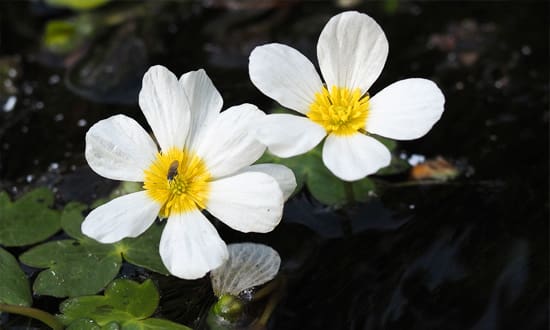
Ranunculus aquatilis
Water crowfoot (Ranunculus aquatilis) is a native aquatic plant that can be found in suitable ponds, streams and other freshwater habitats. It produces delicate white flowers at the surface while providing underwater cover.
It can be an excellent choice where conditions are suitable and a natural appearance is desired.
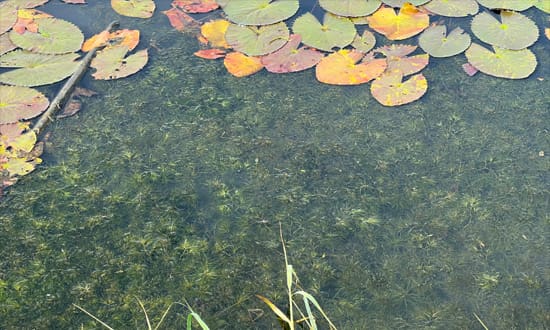
Ceratophyllum demersum
Hornwort (Ceratophyllum demersum) is a submerged aquatic plant that provides valuable habitat for aquatic invertebrates and other pond life.
It can be particularly useful in wildlife ponds where underwater vegetation is an important part of the design.
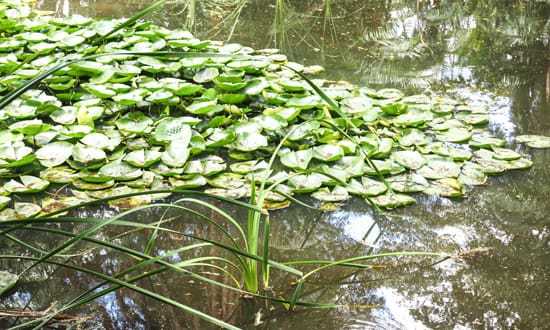
Hydrocharis morsus-ranae
Frogbit (Hydrocharis morsus-ranae) is a small native floating plant with rounded leaves and delicate white flowers. It can provide surface cover and shelter for pond wildlife.
As with all aquatic planting, growth should be monitored to prevent plants from taking over the available water surface.
Planting considerations
It is easy to overplant a new pond. While aquatic plants are important, leaving areas of open water helps maintain visual balance and provides space for wildlife to move around. The right balance will depend on the size, depth and purpose of the pond.
A well-designed pond might include a combination of:
Submerged aquatic plants
Floating plants
Marginal plants
Moisture-loving plants around the edge
Open areas of water
Rocks, stones or natural features
The planting around a pond is just as important as the plants growing in the water. Moisture-loving species can soften the boundary and make the pond appear as though it belongs naturally within the landscape.
Ferns, sedges, rushes and moisture-loving perennials can all work well around a natural pond. A mixture of different heights, textures and foliage can create a more natural appearance while providing additional shelter for wildlife.
Planting should also complement the wider garden. A formal garden may benefit from more structured planting, while an informal country garden or wildlife garden can use a looser combination of native plants and naturalised species.
If attracting wildlife is a priority, native UK plants can be particularly valuable. They can complement existing habitats and provide food, shelter and breeding opportunities for native species.
A wildlife pond does not need to be large. Even a relatively small pond can introduce another habitat into a garden, particularly when it is combined with suitable planting around the margins.
Avoid introducing invasive aquatic plants and always check the characteristics of a species before planting. Some aquatic plants can spread rapidly and become difficult to control.
The best natural ponds are designed as part of the wider garden rather than treated as an isolated feature.
The shape of the pond, planting, surrounding landscape, stonework and views from the house can all contribute to the finished appearance. Gently planted margins and irregular edges can help create a softer, more natural effect.
For larger gardens, a pond can also become part of a wider landscape scheme, linking planting areas and creating different habitats throughout the garden.
A carefully planted pond can provide year-round interest while creating an important habitat for wildlife. In spring, flowers such as marsh marigold can provide colour around the margins, while summer brings the flowers of water mint, purple loosestrife and other marginal plants.
By combining aquatic, marginal and moisture-loving plants with areas of open water, you can create a pond that looks natural and works as part of the wider garden.
Fairwater designs and creates bespoke water features, ponds and natural swimming pools, with planting and the surrounding landscape considered as part of the overall design.
Contact Fairwater to discuss your ideas and find out how we can help create a water feature that complements your landscape.